
The allure of chance: Understanding the attraction
The psychology of chance is a fascinating lens through which we can examine the allure of modern casinos. The thrill of uncertainty plays a significant role in attracting people to gambling environments. Many individuals are naturally drawn to experiences that carry a risk-reward dynamic, and casinos are designed to amplify this feeling. From the flashing lights to the sounds of spinning reels, every element in a casino is curated to enhance the excitement of chance. For those interested in diversifying their entertainment options, the rise of online casinos in canada has brought new dimensions to this thrilling experience.
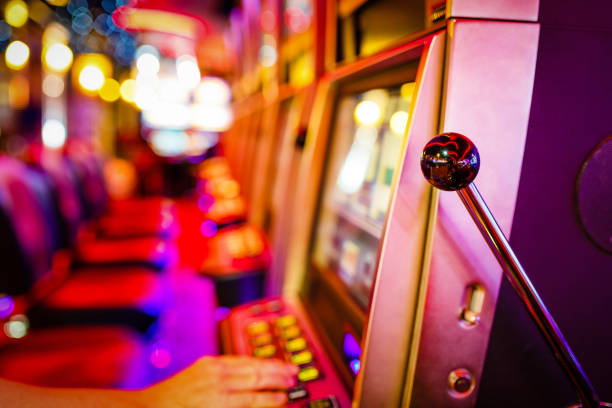
This attraction to chance can be rooted in various psychological factors. The concept of variable rewards, for instance, suggests that unpredictable outcomes trigger a release of dopamine, the brain’s reward chemical. This high level of excitement can create a euphoric experience, making players eager to try their luck again and again. Casinos exploit this phenomenon by employing strategies that keep players engaged and hopeful, reinforcing the thrill of rolling the dice or spinning the wheel.
The role of cognitive biases in gambling decisions
Cognitive biases significantly influence decision-making in gambling contexts. One of the most pertinent biases is the gambler’s fallacy, where individuals believe that past outcomes affect future results in random events. For example, a player might think that a particular slot machine is «due» for a payout simply because it has paid out less frequently in the past. This misconception can lead to irrational betting behavior and increased spending as players chase perceived losses.
Another popular cognitive bias is the illusion of control, where gamblers believe they can influence the outcome of games that are fundamentally chance-based. This belief can lead players to develop betting strategies based on superstitions or rituals, contributing to a deeper emotional investment in the game. Understanding these cognitive distortions is essential for recognizing how they manipulate the choices individuals make in casinos, often leading to increased gambling behavior.
The impact of environment on gambling behavior
The physical environment within a casino plays a crucial role in shaping the psychology of chance. Factors such as layout, lighting, and music work together to create an immersive atmosphere that encourages risk-taking. Casinos are often designed without windows or clocks to create a sense of timelessness, allowing players to lose track of time while they gamble. This design choice can lead to longer gaming sessions, as players are less aware of how much time has passed.
Furthermore, the strategic placement of high-stakes games alongside lower-stakes options creates an enticing atmosphere for gamblers. Players may feel compelled to spend more in high-stakes areas, believing that they can elevate their status or experience a more exhilarating environment. The interplay between physical space and psychological triggers is vital for understanding how modern casinos manipulate chance to draw in and retain customers.
Strategies employed by casinos to leverage psychological triggers
Modern casinos employ a range of strategies rooted in psychology to maximize their profit margins. One key approach is the use of near-miss effects, where players experience outcomes that feel close to a win, even if they result in a loss. This phenomenon can create a sense of hope and increase the likelihood of continued play. For instance, slot machines often show multiple matching symbols followed by a losing spin, leading players to believe they are on the verge of a payout.
Additionally, loyalty programs and rewards systems are designed to reinforce positive gambling behaviors. By offering incentives such as free drinks, meals, or hotel stays, casinos create a sense of belonging and reward loyalty, encouraging players to return. These strategies are built on a deep understanding of human psychology and aim to keep players engaged with the thrill that chance represents while fostering a lasting relationship with the casino.
Conclusion: Embracing the complexities of chance in modern casinos
As we explore the psychology of chance in modern casinos, it becomes evident that human behavior is significantly influenced by various psychological factors, cognitive biases, and environmental cues. By understanding how these elements intertwine, we can gain insight into the mechanics that drive gambling behavior and the potential risks associated with it.
Ultimately, while casinos leverage psychological principles to enhance the excitement of chance, it is crucial for players to remain aware of their behaviors and motivations. By fostering a sense of awareness, individuals can enjoy the thrill of gambling responsibly and remain mindful of the inherent risks involved. The exploration of chance in casinos not only provides entertainment but also serves as a reminder of the complexities of human psychology in the context of risk and reward.